What Are the Best Smoothie Recipes for Weight Loss?
If you're looking for the best smoothie recipes for weight loss, the ingredients matter more than finding one perfect recipe.
A smoothie can be a convenient way to combine protein, fiber, fruits, vegetables, and healthy fats in one meal or snack. But smoothies can also become surprisingly high in calories and added sugar depending on what goes into them.
For weight management, focus on smoothies that include a source of protein and fiber while keeping added sugars limited.
Here are a few simple combinations to try.
How Do You Make a Berry Protein Smoothie?
Berries provide flavor and fiber without needing lots of added sweeteners.
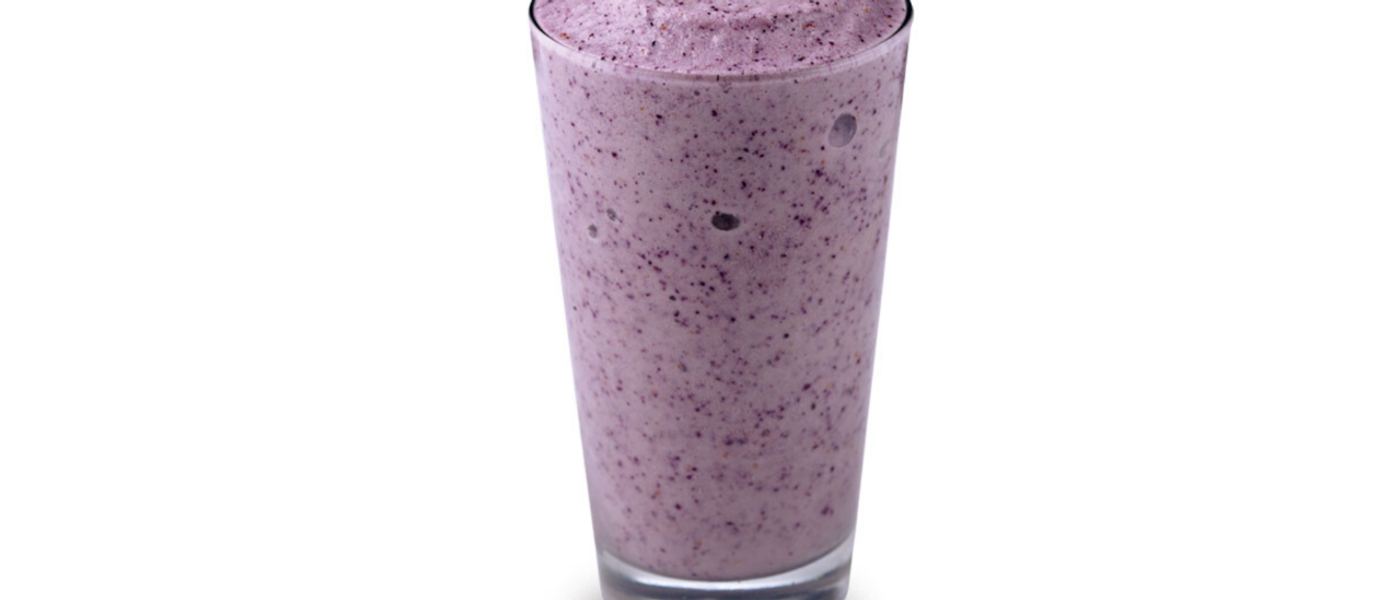
Berry Protein Smoothie
- 1 cup frozen mixed berries
- 1 serving plain Greek yogurt
- ½–1 cup unsweetened milk or milk alternative
- 1 tablespoon chia seeds
- Ice as needed
Blend until smooth. If you're using a milk alternative, check the nutrition label because protein and added sugar can vary considerably between products.
What Should You Put in a Weight Loss Smoothie?
Instead of following the same recipe every day, use a simple formula to create different combinations.
Start with:
- Protein: Greek yogurt, cottage cheese, or protein powder
- Fiber: berries, chia seeds, flaxseed, vegetables, or other whole fruits
- Produce: berries, banana, spinach, kale, or other fruits and vegetables
- Healthy fat: a small serving of nut butter, chia, flax, or avocado
- Liquid: water, dairy milk, or an unsweetened milk alternative
Protein and fiber can help make a smoothie more satisfying, which may make it easier to manage hunger as part of an overall weight loss plan.
Can Smoothies Make You Gain Weight?
They can. A smoothie isn't automatically a "weight loss food."
Large amounts of fruit juice, sweetened yogurt, honey, syrups, nut butter, or other calorie-dense ingredients can quickly increase the total calories and sugar in a smoothie.
It's also possible to drink a smoothie alongside a full meal without realizing you've added a substantial amount of additional energy.
For weight management, consider the smoothie within your entire day's nutrition rather than evaluating it as a healthy or unhealthy food on its own.
Are Smoothies Good While Taking GLP-1 Medications?
For some people taking GLP-1 medications, reduced appetite or feeling full quickly can make larger meals more difficult. A nutrient-dense smoothie may sometimes provide a convenient way to incorporate protein and other nutrients.
However, GLP-1 medications can also cause gastrointestinal side effects, and certain foods or portion sizes may be easier to tolerate than others.
If you're having difficulty eating enough, experiencing persistent nausea, or unsure about your nutritional needs while taking medication, discuss it with your healthcare provider.
What Else Matters for Sustainable Weight Loss?
The best smoothie recipe won't replace the bigger picture of weight management.
Sustainable weight loss may involve balanced nutrition, adequate protein and fiber, regular movement, strength training, sleep, hydration, and provider support when appropriate.
At Heva, wellness isn't one-size-fits-all. It's personal and always evolving. Instead of relying on one food, diet, or trend, Heva takes a personalized approach to understanding the factors that may be influencing your progress.
Labs are more than numbers, they are your starting point. When appropriate, understanding your metabolic health alongside your lifestyle and goals can help your provider develop a more individualized plan.
Ready to explore personalized, provider-guided weight loss support? Start here: https://www.hevahealth.com/weight-loss
This article is for educational purposes only and does not replace individualized medical or nutritional advice. Calorie, protein, and nutritional needs vary by individual. Weight loss results vary.